Summary: Scammers now use AI to write their phishing emails, so the spelling and grammar mistakes that used to give them away are gone. The UK’s National Cyber Security Centre and the FBI both warn that AI makes these messages cleaner, more personal, and harder to spot. The way to catch them now is to look at what an email is asking you to do, because the writing no longer gives anything away. For years, the advice for spotting a scam email was simple: look for bad spelling and clumsy grammar. A real bank or supplier writes properly, the thinking…
Article Summary: If your business is hit by a cyberattack, the first hour matters. Disconnect the affected devices from the network instead of powering them off, call your IT provider by phone, and leave the evidence in place. If money was wired to a scammer, call your bank right away. This post is the step-by-step plan, plus where to report an attack in the US, UK, and Australia. If a cyberattack hits your business, what you do in the first hour really matters. It’s also the easiest time to make a costly mistake, like turning off the wrong machine, deleting…
Article Summary: A passkey lets you sign in to an app or website using the same fingerprint, face, or PIN you use to unlock your phone or laptop, with no password to type. It’s built on a security standard called FIDO that can’t be phished, because the passkey only works on the real site and there’s no password to steal or reuse. Most major platforms and a growing list of business tools support passkeys, and Microsoft 365 includes them at no extra cost. For most businesses, it’s worth starting to roll them out, beginning with the most sensitive accounts. Passwords…
Article Summary: Email spoofing is when a scammer sends a message that appears to come from your domain, often to trick your clients or staff into paying a fake invoice or changing banking details. Three DNS records (SPF, DKIM, and DMARC) prove that a message really came from you and tell receiving mail servers to reject the ones that didn’t. The catch is that DMARC only protects you once it’s set to “quarantine” or “reject,” and a lot of businesses leave it on “none,” which monitors but does not block. Right now, with no special tools, someone could send an…
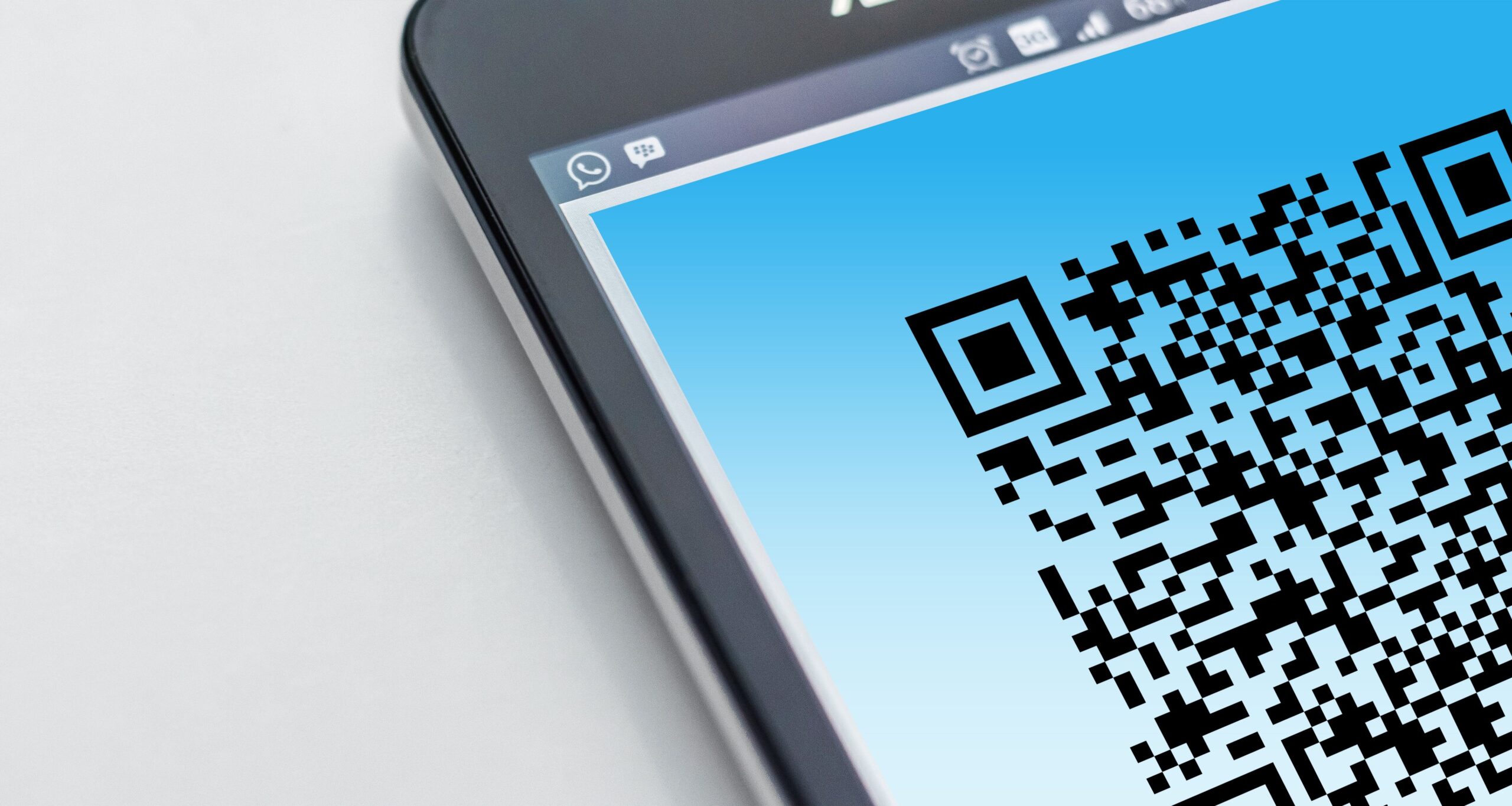
Article Summary: A QR code scam, sometimes called quishing, hides a malicious web link inside a QR code. Because the link is buried in an image instead of written as text, it slips past the email filters that normally catch bad links, and scanning the code usually moves the victim onto a personal phone that sits outside the company’s security. Microsoft reported a 146% rise in QR code phishing during the first quarter of 2026. QR codes are part of normal business now. You scan them to see a menu, pay for parking, connect to Wi-Fi, or open a shared…
Small businesses are the most common ransomware target by volume of incidents, even though many small business owners assume hackers focus on larger organizations. A 22-person company has enough revenue to be worth attacking, no dedicated security team to defend it, and a publicly traceable footprint that takes about an hour to research. What follows is a step-by-step walkthrough of how a small business gets attacked, written from the attacker’s side. The company in this account is composite, but the methods are accurate to current threat intelligence reporting. After the walkthrough, you’ll see five specific points where the attack would…
Most cyberattacks do not start with a sophisticated intrusion. They start with a click on a personal email, a reused password, or a file uploaded to a familiar cloud service because the approved option felt slower. The Verizon Data Breach Investigations Report found that 68% of breaches involve the human element. Not a zero-day exploit. Not a brute-force attack on a hardened system. Human behavior, in the course of an ordinary working day. For businesses running cloud-based workflows across multiple devices, the personal and professional overlap is now the rule. Understanding where that overlap creates risk is no longer optional….
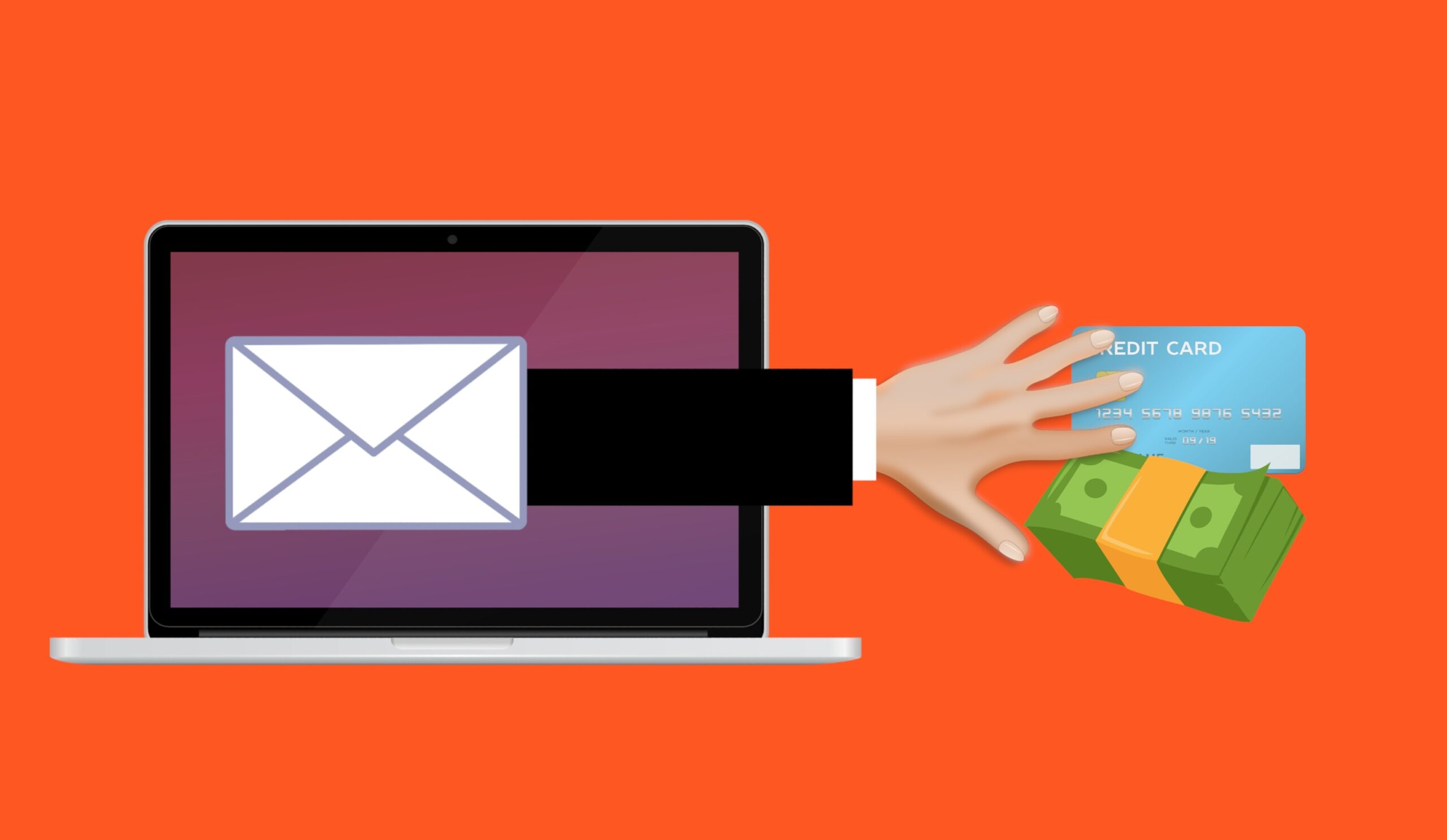
It’s a statistic that sends a shiver down the backs of SME owners, managers and employees. According to the FBI’s 2025 Internet Crime Report, business email compromise (BEC) cost US businesses more than $3 billion last year. This makes it one of the most financially damaging cybercrimes on record. AI has made these attacks harder to detect. The question for AP teams is no longer whether they can identify suspicious requests. It is whether the processes around payments make fraud difficult regardless of how convincing it looks. Why AP Teams Are in the Crosshairs Accounts payable sits at the intersection…
You click a link, sign in, approve the MFA prompt, and get on with your day. Completely unaware that someone else just logged into your account at the same moment. That scenario surprises many businesses, particularly those that rely on multi-factor authentication (MFA) to protect cloud accounts. But this is exactly how Adversary-in-the-Middle (AiTM) phishing attacks work. Rather than stealing passwords for later use, these attacks silently hijack an already-authenticated session in real time. MFA remains a core control, and getting it implemented correctly is still a critical first step for any business. But AiTM attacks exploit something MFA was…

Recent Comments