Category

Cybersecurity

Free scam phishing fraud vector

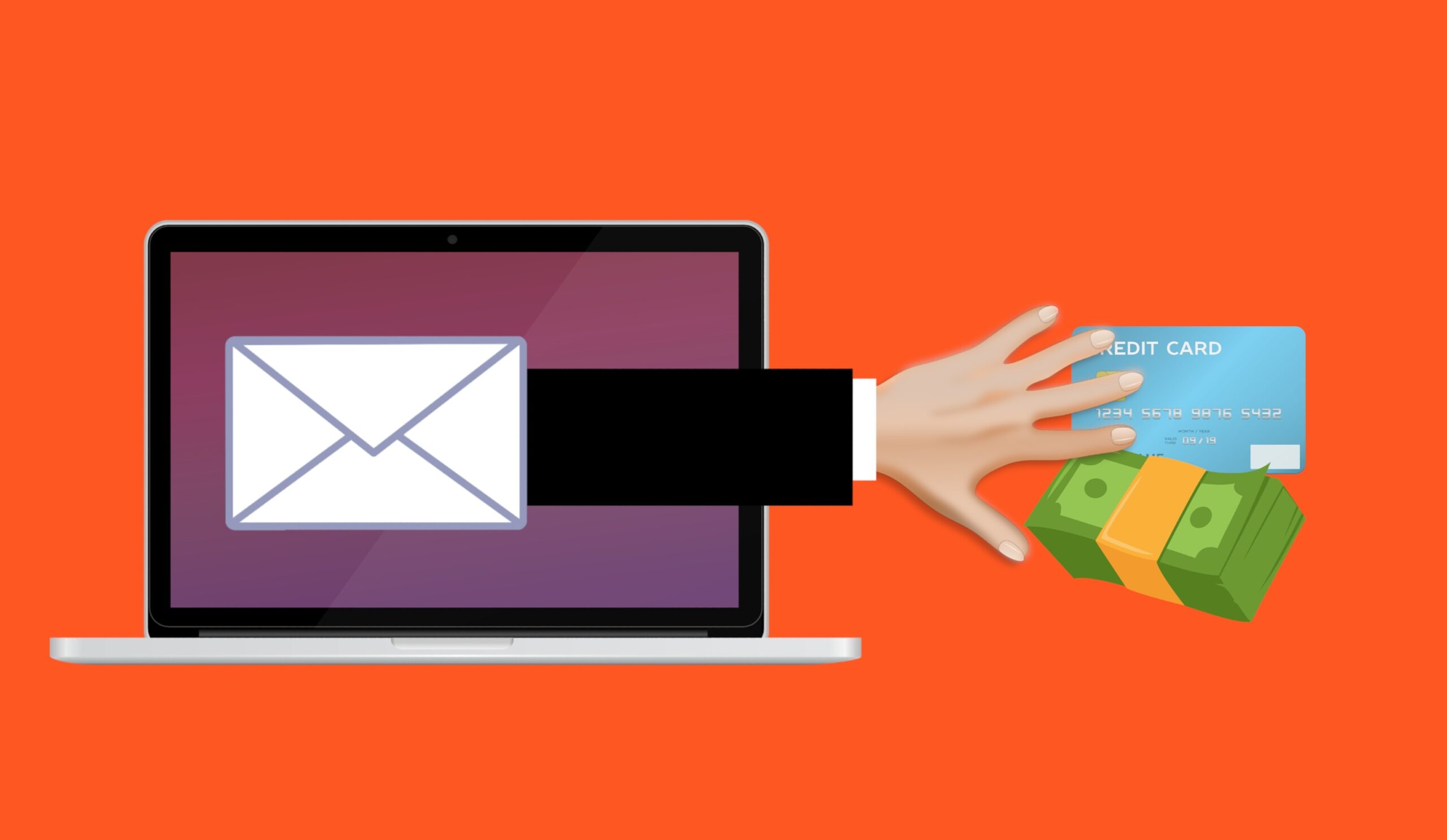
Is Your Invoice a Deepfake? Securing Your Accounts Payable Process Against Voice and Email Cloning

By Cybersecurity

It’s a statistic that sends a shiver down the backs of SME owners, managers and employees.   According to the FBI’s 2025 Internet Crime Report, business email compromise (BEC) cost US businesses more than $3 billion last year. This makes it one of the most financially damaging cybercrimes on record.  AI has made these attacks harder to detect. The question for AP teams is no longer whether they can identify suspicious requests. It is whether the processes around payments make fraud difficult regardless of how convincing it looks. Why AP Teams Are in the Crosshairs Accounts payable sits at the intersection…

Read More
Free hacker anonymous cybersecurity vector

Adversary-in-the-Middle Attacks: How Phishing Sites Steal Your Active Login

By Cybersecurity

You click a link, sign in, approve the MFA prompt, and get on with your day. Completely unaware that someone else just logged into your account at the same moment. That scenario surprises many businesses, particularly those that rely on multi-factor authentication (MFA) to protect cloud accounts. But this is exactly how Adversary-in-the-Middle (AiTM) phishing attacks work.  Rather than stealing passwords for later use, these attacks silently hijack an already-authenticated session in real time. MFA remains a core control, and getting it implemented correctly is still a critical first step for any business.  But AiTM attacks exploit something MFA was…

Read More
Free attack unsecured laptop vector

The “Session Cookie” Hijack: Why MFA Can’t Always Save You

By Cybersecurity

MFA is a strong front-door lock. But it’s not the only thing that decides whether someone can get in. After you sign in, your browser keeps you logged in using a session token (often stored as a cookie). It’s the digital version of a wristband at an event: once you’ve been checked, the wristband proves you belong there. If an attacker steals that wristband, they may not need to beat your MFA prompt at all. That’s the core of session cookie hijacking. The attacker isn’t “cracking” MFA. They’re skipping it by replaying your already authenticated session. This isn’t a reason…

Read More
Free ai generated cybersecurity digital shield illustration

Micro-SaaS Vetting: The 5-Minute Security Check for Browser Add-ons

By Cybersecurity

Browser add-ons have a funny reputation. They feel “small”. A quick install. A tiny productivity boost. A harmless little helper that lives in your toolbar. But in practice, a browser extension is more like a micro-SaaS vendor sitting inside your browser session. It can see what you see, interact with the pages you open, and sometimes access the same cloud apps your business runs on all day. That’s why a browser extension security check matters.  Not because every extension is bad, but because it only takes one over-permissioned add-on or one bad update to turn “helpful” into exposure. The good…

Read More
A combination lock rests on a computer keyboard.

Stop Ransomware in Its Tracks: A 5-Step Proactive Defense Plan

By Cybersecurity

Ransomware isn’t a jump scare. It’s a slow build. In many cases, it begins days, or even weeks, before encryption, with something mundane, like a login that never should have succeeded. That’s why an effective ransomware defense plan is about more than deploying anti-malware. It’s about preventing unauthorized access from gaining traction. Here’s a five-step approach you can implement across your small-business environment without turning security into a daily obstacle course. Why Ransomware Is Harder to Stop Once It Starts Ransomware is rarely a single event. It’s typically a sequence: initial access, privilege escalation, lateral movement, data access, often data…

Read More
Free cyber security technology network illustration

A Small Business Roadmap for Implementing Zero-Trust Architecture

By Cybersecurity

Most small businesses aren’t breached because they have no security at all. They’re breached because a single stolen password becomes a master key to everything else. That’s the flaw in the old “castle-and-moat” model. Once someone gets past the perimeter, they can often move through the environment with far fewer restrictions than they should. And today, with cloud apps, remote work, shared links, and BYOD, the “perimeter” isn’t even a clearly defined boundary anymore. Zero-trust architecture for small businesses represents the shift that breaks that chain reaction. It’s an approach that treats every access request as potentially risky and requires…

Read More
Download free HD stock image of Technology Light

5 Security Layers Your MSP Is Likely Missing (and How to Add Them)

By Cybersecurity

Most small businesses aren’t falling short because they don’t care. They’re falling short because they didn’t build their security strategy as one coordinated system. They added tools over time to solve immediate problems, a new threat here, a client request there. On paper, that can look like strong coverage. In reality, it often creates a patchwork of products that don’t fully work together. Some areas overlap. Others get overlooked. And when security isn’t intentionally designed as a system, the weaknesses don’t show up during routine support tickets. They show up when something slips through and turns into a disruptive, expensive…

Read More
Free castle security locked vector

Zero-Trust for Small Business: No Longer Just for Tech Giants

By Cybersecurity

Think about your office building. You probably have a locked front door, security staff, and maybe even biometric checks. But once someone is inside, can they wander into the supply closet, the file room, or the CFO’s office? In a traditional network, digital access works the same way, a single login often grants broad access to everything. The Zero Trust security model challenges this approach, treating trust itself as a vulnerability. For years, Zero Trust seemed too complex or expensive for smaller teams. But the landscape has changed. With cloud tools and remote work, the old network perimeter no longer…

Read More
Free sign security coat of arms vector

The Supply Chain Trap: Why Your Vendors Are Your Biggest Security Risk

By Cybersecurity

You invested in a great firewall, trained your team on phishing, and now you feel secure. But what about your accounting firm’s security? Your cloud hosting provider? The SaaS tool your marketing team loves? Each vendor is a digital door into your business. If they leave it unlocked, you are also vulnerable. This is the supply chain cybersecurity trap. Sophisticated hackers know it is easier to breach a small, less-secure vendor than a fortified big corporate target. They know that they can use that vendor’s trusted access as a springboard into your network. Major breaches, like the infamous SolarWinds attack,…

Read More
Free attack unsecured laptop vector

The MFA Level-Up: Why SMS Codes Are No Longer Enough (and What to Use Instead)

By Cybersecurity

For years, enabling Multi-Factor Authentication (MFA) has been a cornerstone of account and device security. While MFA remains essential, the threat landscape has evolved, making some older methods less effective. The most common form of MFA, four- or six-digit codes sent via SMS, is convenient and familiar, and it’s certainly better than relying on passwords alone. However, SMS is an outdated technology, and cybercriminals have developed reliable ways to bypass it. For organizations handling sensitive data, SMS-based MFA is no longer sufficient. It’s time to adopt the next generation of phishing-resistant MFA to stay ahead of today’s attackers. SMS was…

Read More